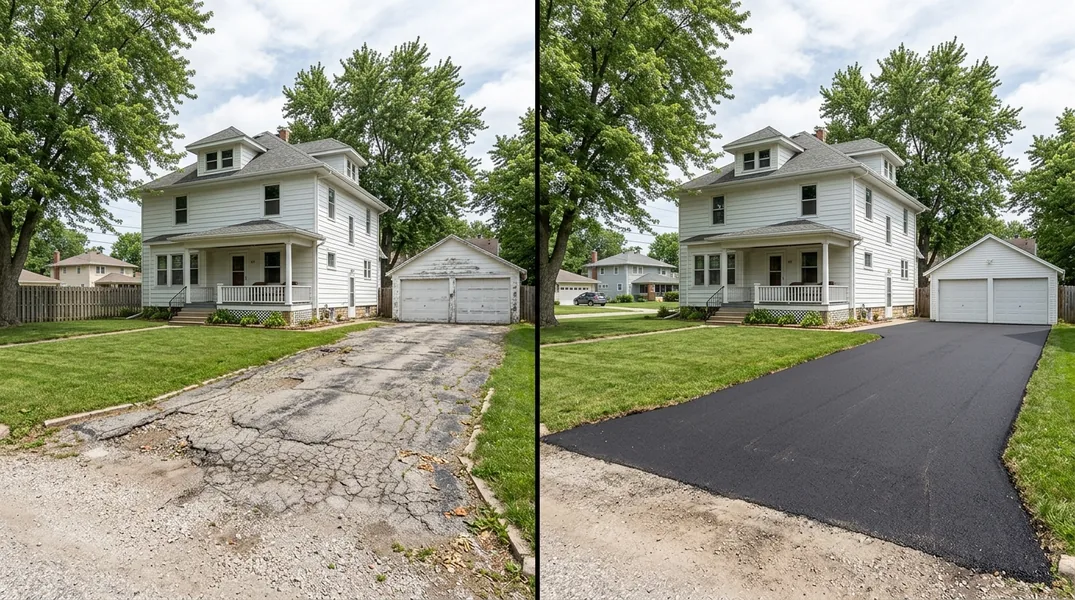
How Long for Asphalt to Cure: The Critical Timeline
If you're planning Asphalt Driveway Paving & Installation before the Iowa winter arrives, understanding curing time is essential. Many homeowners assume that once their new asphalt is laid down and appears solid, it's ready for use. In reality, asphalt goes through a gradual hardening process that takes considerably longer than most people expect.
The initial surface curing typically takes 24 to 48 hours. During this period, the asphalt will firm up enough that light foot traffic becomes safe, and you may notice the surface no longer feels tacky to the touch. However, this early stage is misleading. Your driveway is nowhere near its full strength at this point, and driving on it can cause permanent damage that compromises the entire installation.
How Long Before You Can Drive on New Asphalt
The question homeowners ask most frequently is straightforward: when can I actually use my driveway? The honest answer depends on several factors, but in most cases, you should wait a minimum of 7 days before driving on new asphalt. In cooler weather, which is common in Des Moines during fall and early winter, this timeline may extend to 10 to 14 days.
Temperature plays a crucial role in the curing process. Asphalt cures faster in warm conditions because heat accelerates the evaporation of moisture and the binding of materials. As autumn approaches and temperatures drop, curing slows significantly. If you're having work done in late September or October, expect the longer end of the timeline. Heavier vehicles like trucks or SUVs should wait even longer, ideally 14 to 21 days, before regular use. If you must park on the driveway before full curing is complete, park near the edges rather than the center, where weight distribution is better.
New Asphalt Driveway Care During the First Month
The first 30 days after installation are critical for protecting your investment. New asphalt driveway care during this period requires attention and restraint. Beyond simply avoiding heavy use, you'll want to protect the surface from environmental stress and damage that can set back the curing process.
Avoid parking in the same spot repeatedly, as concentrated weight can create indentations or soft spots. If possible, vary where you park or park on the street temporarily. Keep the surface clean and dry. While light rain won't harm curing asphalt, standing water or puddles should be addressed. If you notice water pooling, gently sweep it away rather than letting it sit. Don't use salt or de-icing chemicals on your new driveway during the first month, as these can interfere with the curing process and cause premature deterioration. If winter weather arrives before your asphalt is fully cured, this becomes especially important in Des Moines, where icy conditions are common.
Preparing Your New Driveway for an Iowa Winter
Installing new asphalt in the fall means your driveway will face its first winter while still relatively young. This is a critical consideration for homeowners in Des Moines and surrounding areas. Freeze-thaw cycles, which occur repeatedly throughout Iowa winters, are one of the most damaging stressors for asphalt. Water enters small cracks and pores, freezes, expands, and creates larger cracks. If your asphalt hasn't fully cured before this cycle begins, the damage can be accelerated.
To protect your investment, avoid using salt or rock salt for de-icing during the first winter. Instead, use sand for traction or calcium chloride, which is gentler on new asphalt. Clear snow promptly but carefully, using a plastic shovel rather than a metal one to avoid gouging the surface. If you must use a snow blower, keep the blade slightly elevated to prevent direct contact with the asphalt. These precautions help your driveway weather its first winter successfully and reach full maturity by spring.
How Often to Seal Driveway: Long-Term Maintenance Strategy
Once your new asphalt has fully cured (typically after 90 days), the next critical step is sealing. Understanding how often to seal driveway is essential for extending the life of your investment. Sealcoating creates a protective barrier against UV rays, water infiltration, and oxidation, all of which degrade asphalt over time.
For new asphalt in Des Moines, plan your first seal coating 90 days after installation. This timing allows the asphalt to fully cure before applying the sealant. After that initial application, you should reseal every 2 to 3 years, depending on weather exposure and usage. Driveways that receive heavy sun exposure or endure harsh winters may need sealing every 2 years, while those in more moderate conditions can often go 3 years between applications. Regular sealing is far more cost-effective than dealing with major damage later. If your driveway shows signs of wear, cracking, or fading before the scheduled resealing date, contact Des Moines Asphalt Paving at (515) 461-7206 for a professional assessment.
When to Call a Professional: Asphalt Driveway Paving & Installation Near Me
If you're considering new asphalt installation or need guidance on caring for a recently installed driveway, professional expertise makes a significant difference. A qualified contractor can assess your property, recommend the best installation timeline relative to weather, and provide clear guidance on curing and maintenance. They can also identify potential issues that homeowners might miss, such as drainage problems that could compromise your driveway's longevity.
Des Moines Asphalt Paving specializes in helping homeowners navigate the entire process, from initial planning through long-term maintenance. Whether you need a free estimate for a new installation, advice on new asphalt driveway care, or guidance on sealing schedules, our team is ready to help. We understand the unique challenges that Iowa weather presents and tailor our recommendations accordingly. Reach out today at (515) 461-7206 or visit our website to discuss your project and get professional recommendations specific to your situation.
Looking for a professional asphalt paving contractor in Des Moines? Des Moines Asphalt Paving responds fast for all your asphalt paving needs.
Get a Free Quote